

Meta Ad Placements: Maximize ROAS with 2026 Metrics Guide
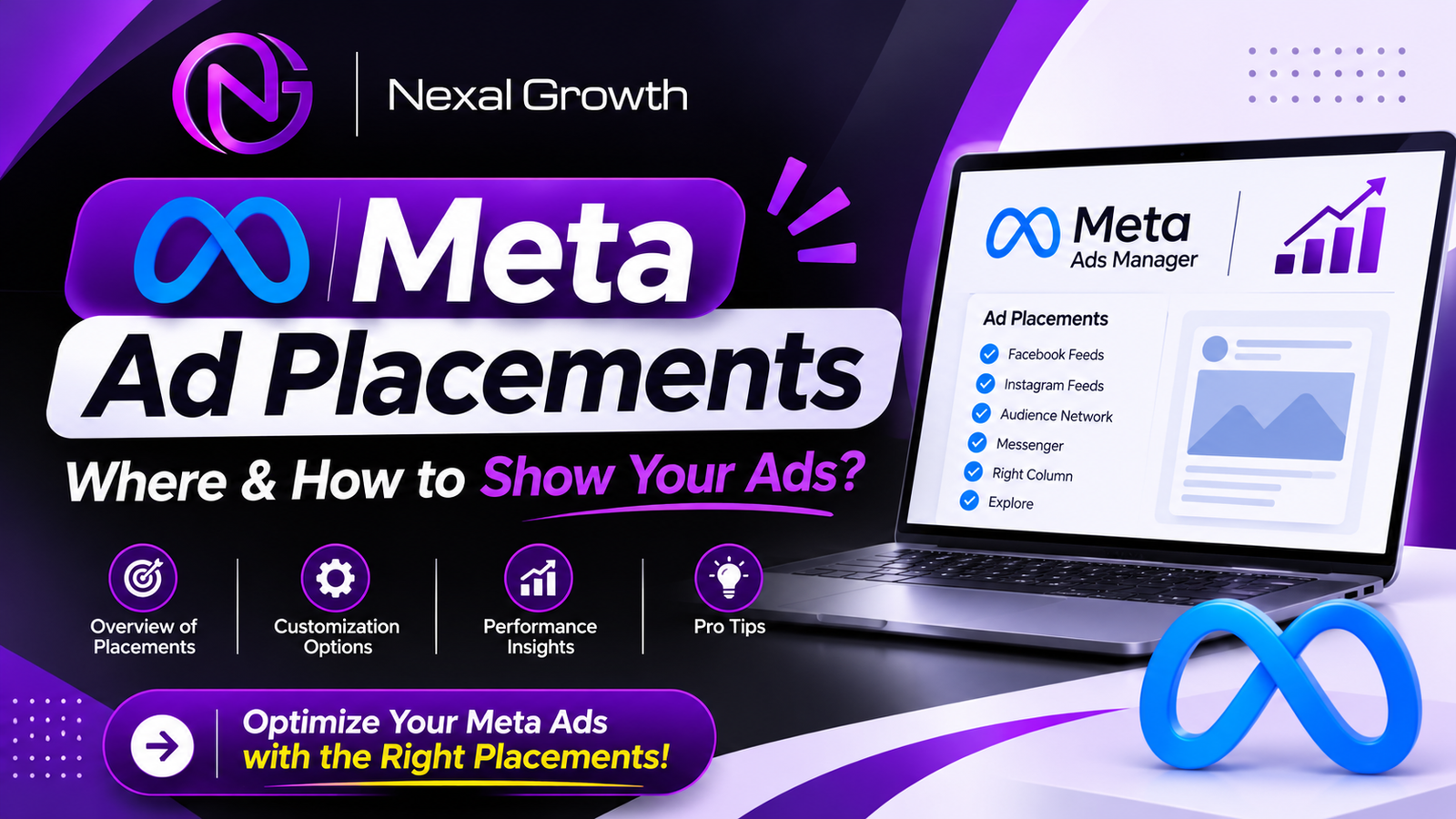
Meta ad placements refer to the specific digital locations across Facebook, Instagram, Messenger, and the Audience Network where your ads appear. Optimizing these placements allows growth marketers to match specific ad creatives with high-intent placement environments, directly improving Click-Through Rates (CTR) and minimizing Cost Per Acquisition (CPA).
Why Strategic Meta Ad Placement Matters for B2B Growth
In high-ticket B2B SaaS and digital marketing, relying entirely on Meta’s Advantage+ automatic placements often leads to wasted budget on low-intent inventory like casual mobile games within the Audience Network. While Advantage+ can work well for broad B2C e-commerce campaigns, B2B decision-makers engage differently across touchpoints.
To drive predictable pipeline and lower Customer Acquisition Costs (CAC), performance marketers must map ad creative formats to high-value placement ecosystems.
High-Intent vs. Low-Intent Placements
- Instagram & Facebook Feeds (High Intent): Ideal for long-form video demos, customer testimonials, and detailed carousel ads that educate prospects while they actively browse.
- Instagram & Facebook Stories / Reels (High Engagement): Best for short-form, full-screen vertical video content designed for quick attention capture and rapid Brand Awareness.
- Facebook Right Column & Search (High Conversion Support): Excellent for low-cost desktop retargeting campaigns targeting decision-makers actively researching solutions.
- Audience Network (Variable Quality): Requires strict exclusions to prevent ad spend bleed on unintended low-converting in-app placements.
Strategic Comparison: Default Placements vs. Nexal Growth Framework
To achieve high Return on Ad Spend (ROAS), growth strategies must move past default automated settings.
| Strategic Metric / Feature | Default Advantage+ Placements | Nexal Growth Optimized Framework | Impact on B2B Pipeline |
| Budget Distribution | Algorithmic dispersion across all networks | Tiered allocation based on placement LTV | Up to 35% reduction in wasted ad spend |
| Audience Network Use | Unfiltered auto-inclusion | Strict vertical exclusions & placement audits | Eliminates low-quality click inflation |
| Creative Alignment | Dynamic cropping across asset types | Bespoke 1:1, 9:16, and 16:9 native assets | Increases Average CTR by 40%+ |
| Retargeting Precision | Broad retargeting pools | Desktop Right Column + Feed placement isolation | Drives higher demo booking conversions |
3 Rules for Optimizing Meta Ad Placements
1. Match Creative Aspect Ratios to Native Enclosure
Never serve a 1:1 square video on vertical 9:16 Story or Reel placements with automatic black bars. Native, platform-tailored ad units retain viewer attention longer, improving Meta’s internal ad relevance diagnostics and lowering overall Cost Per Mille (CPM).
2. Isolate Desktop Placements for High-Ticket B2B Offers
Complex B2B SaaS demonstrations and high-ticket consulting offers often convert better on desktop environments where users can easily complete multi-field lead forms or interact with complex pricing calculators. Segment campaigns by device placement to dedicate distinct budgets for desktop decision-makers.
3. Use Placement Exclusions Proactively
Protect your brand authority and ad spend by establishing block lists for specific apps, websites, and content categories within the Audience Network and Meta In-Stream video placements.
People Also Ask (PAA)
How long does it take to see results from Meta ad placement optimization?
Initial performance shifts in CTR and CPM can be observed within 48 to 72 hours following placement reallocation. However, full conversion rate stabilization and statistical significance generally require 14 to 21 days of baseline data collection, depending on daily budget volume.
How do I calculate the true ROI of specific Meta ad placements?
Calculate placement-specific ROI by dividing the total revenue generated from leads attributed to a specific placement by the total ad spend consumed by that exact placement:
$$\text{Placement ROAS} = \frac{\text{Attributed Revenue from Placement}}{\text{Ad Spend on Placement}}$$
Ensure your CRM (e.g., HubSpot or Salesforce) tracks UTM parameters mapped directly to Meta’s {{placement}} dynamic tag.
Transform Your Meta Advertising Efficiency
Is your Meta ad budget draining into low-converting placements without driving qualified pipeline? At Nexal Growth, we design data-driven paid acquisition systems tailored specifically for scaling B2B SaaS companies and high-ticket service brands.



0 Comments
Leave a reply