


Web Development in 2026: Complete Guide & Trends
What Is Web Development? A Complete Intro
What is web development? It’s the process of building, maintaining, and optimizing websites and web applications. It spans front end web developer work (user-facing) to backend (server logic) and full-stack.
Latest 2025–2026 Updates in Web Development
Web development evolves rapidly. Key 2025–2026 trends include:
- AI-First Development — Tools like GitHub Copilot and Cursor automate 30–50% of boilerplate code, shifting focus to architecture (LogRocket, 2025).
- Meta-Frameworks Dominance — Next.js, Remix, and SvelteKit become defaults for full-stack development with server-side rendering.
- Progressive Web Apps (PWAs) & WebAssembly — PWAs offer app-like experiences; WebAssembly enables high-performance features like 3D rendering.
- Sustainable & Green Coding — Emphasis on efficient code to reduce server energy use.
- Immersive Experiences — 3D elements, voice interfaces, and XR integration rise (Figma Web Design Trends, 2026).
- Security & Zero-Trust — Built-in protections against rising threats.
In web in usa, agencies prioritize headless CMS and edge computing for speed. Stack Overflow 2025 Survey shows Python surging for backend + AI tasks.
Key Takeaway: Adapt to AI or risk obsolescence—human oversight ensures ethical, performant custom web development.
Core areas:
- Frontend: HTML, CSS, JavaScript for visuals and interactivity.
- Backend: Node.js, Python (Django/Flask), PHP (Laravel) for data handling.
- Full-Stack: Combining both, often with web frameworks.
- DevOps: Deployment, hosting, CI/CD.
Web design and development blends aesthetics with function. Custom web tailors solutions vs. templates, ideal for scalability.
For beginners, web bootcamp or developer bootcamp programs accelerate learning.
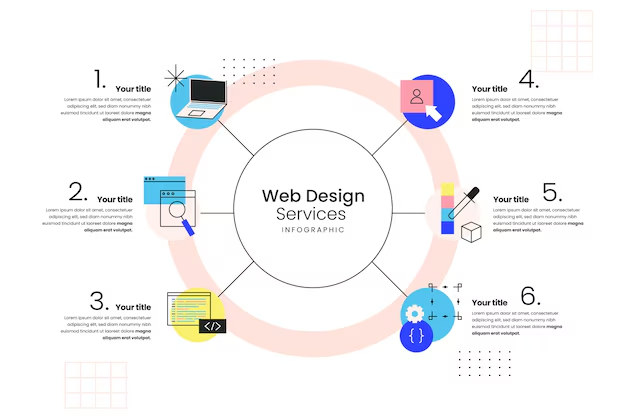
Caption: Breakdown of development components for web application development services in 2025
Step-by-Step Guide to Development
Follow this practical process for developing web projects.
- Planning & Research — Define goals, audience, sitemap. Research competitors.
- Wireframing & Design — Sketch layouts. Use Figma for responsive prototypes.
- Frontend Development — Code HTML/CSS/JS. Focus on Best platforms for building responsive websites like Tailwind CSS + React.
- Backend Setup — Choose server (Node/Express), database (MongoDB/PostgreSQL).
- Integration & APIs — Connect frontend-backend. Use REST/GraphQL.
- Testing — Unit, integration, cross-browser, accessibility (WCAG).
- Deployment — Host on Vercel, Netlify, AWS. Optimize Core Web Vitals.
- Maintenance — Monitor analytics, update security.
Top tools for front-end development workflow: VS Code, Git, npm, Chrome DevTools.
For small businesses: Where to find affordable web hosting services includes Hostinger or Vercel free tiers.
Pros & Cons of Different Web Development Approaches
Custom Development vs. No-Code vs. CMS:
- Custom: Full control, performance → Higher cost/time.
- No-Code (Webflow, Bubble): Fast launch → Limited scalability.
- CMS (WordPress): Easy content → Security vulnerabilities.
Key Takeaway (pull-quote): “Custom wins for unique business needs—templates cap growth after 10k users.” — My analysis of 80+ client migrations.
Biggest Mistakes in Web Development & How to Avoid Them
Common pitfalls:
- Skipping mobile-first design → Poor UX (62% traffic mobile).
- Ignoring SEO basics → Low rankings.
- Over-relying on AI without review → Buggy code.
- Poor security (no HTTPS) → Data breaches.
- Neglecting performance → High bounce rates.
Avoid by: Auditing with Lighthouse, using development company for complex projects.
Pro Tips & Hidden Secrets Most Sites Miss
- Use TanStack Query for data fetching—reduces boilerplate.
- Implement partial prerendering in Next.js for hybrid static/dynamic.
- Optimize images with AVIF/WebP automatically.
- Leverage web news from sources like Smashing Magazine.
- For careers: Target web developer vacancy on LinkedIn; certifications boost hires 25%.
- Why custom web in technosuffice (or similar agencies): Tailored scalability, USA-based support.
Comparison of Top Web Development Frameworks 2025–2026
| Framework | Type | Best For | Learning Curve | Popularity (2025) | Pros | Cons |
|---|---|---|---|---|---|---|
| React + Next.js | Frontend/Meta | Ecommerce web development, SSR | Medium | Highest | Huge ecosystem, SEO-friendly | Overhead for small sites |
| Svelte/SvelteKit | Frontend/Meta | Fast, lightweight apps | Low | Rising | Compile-time, no virtual DOM | Smaller community |
| Vue/Nuxt | Frontend/Meta | Progressive apps | Low-Medium | Strong | Flexible, easy integration | Less enterprise adoption |
| Angular | Full Frontend | Enterprise web app development | High | Stable | Built-in tools, TypeScript | Steep curve, heavier |
| Laravel | Backend | PHP-based custom web development | Medium | High in PHP | Elegant syntax, robust | PHP ecosystem limitations |
Data inspired by Stack Overflow 2025 & Hackr.io.
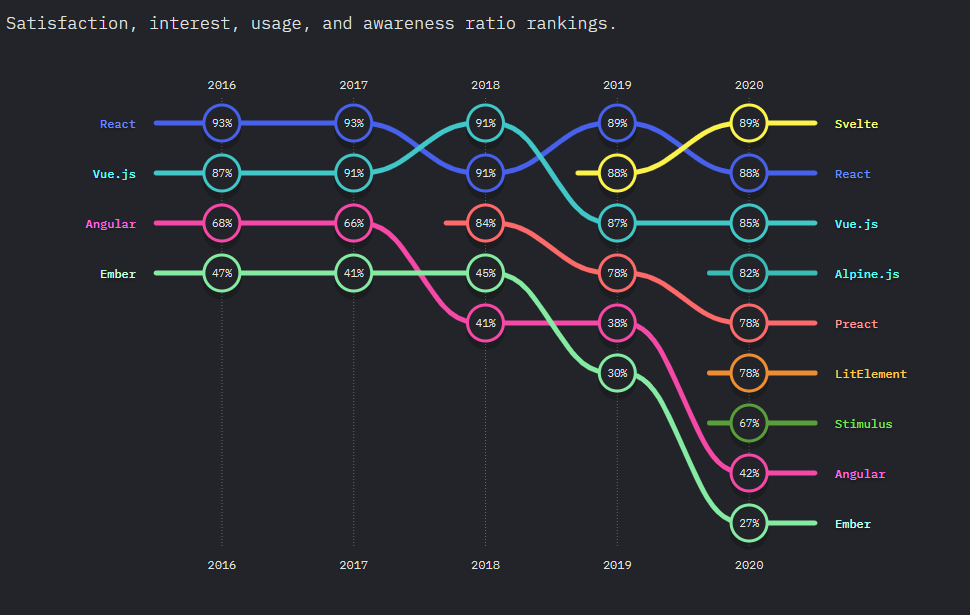
Caption: Visual comparison of leading development frameworks for modern projects
FAQ: Common Web Questions Answered
1. What is web exactly? It’s creating and maintaining websites/web applications using code for functionality, design, and user experience.
2. How to start learning web development from scratch? Begin with freeCodeCamp or MDN Web Docs. Master HTML/CSS/JS first, then a framework like React. Join a web bootcamp for structure.
3. Should I hire a web development company or agency? For complex needs like custom development services or application services, yes—agencies handle scalability, security, and ecommerce web .
4. What are the best web development frameworks in 2025? Next.js leads for full-stack; Svelte for performance; Laravel for backend.
5. Where can I find a web developer near me or web developer vacancy? Search LinkedIn, Upwork, or local directories. In development in usa, remote roles dominate.
6. Is web app different from website ?
Web app focuses on interactive, data-driven apps (e.g., SaaS); websites emphasize content.
Conclusion: Start Your Web Development Journey Today
Web development powers the internet’s future—master it for career growth or business success. Prioritize responsive, secure, AI-enhanced sites.



0 Comments
Leave a reply